
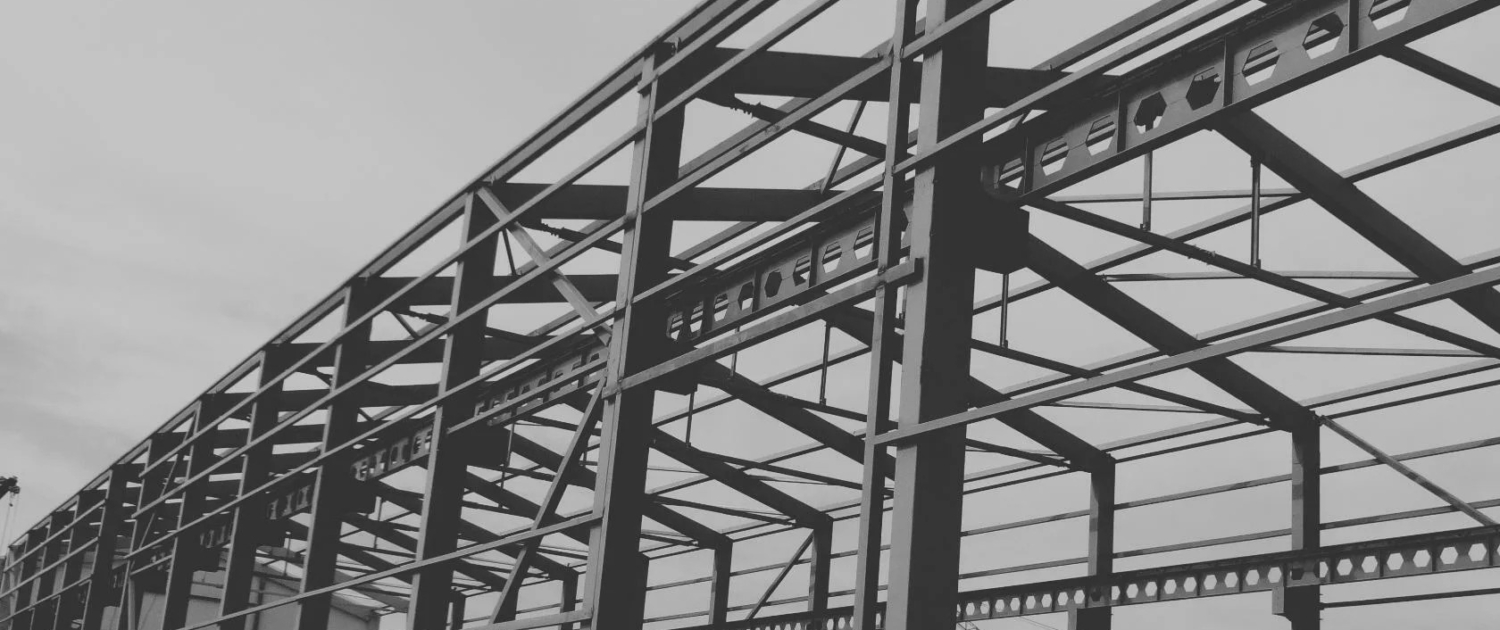
Choosing the Right Framework: Bolt-Together vs. Weld-Together Steel Buildings
One of the most critical decisions you will face at the launch of your project is selecting the specific type of assembly for your future facility. The market offers various structural designs, but the core choice usually comes down to two technology types. Let’s break down the main differences between pre-engineered bolt-together frameworks and traditional weld-together Building Steel Structures.
Understanding these assembly methods will help you choose the most efficient option for your custom Building Steel Constructions, balancing your budget, construction speed, and structural requirements perfectly.
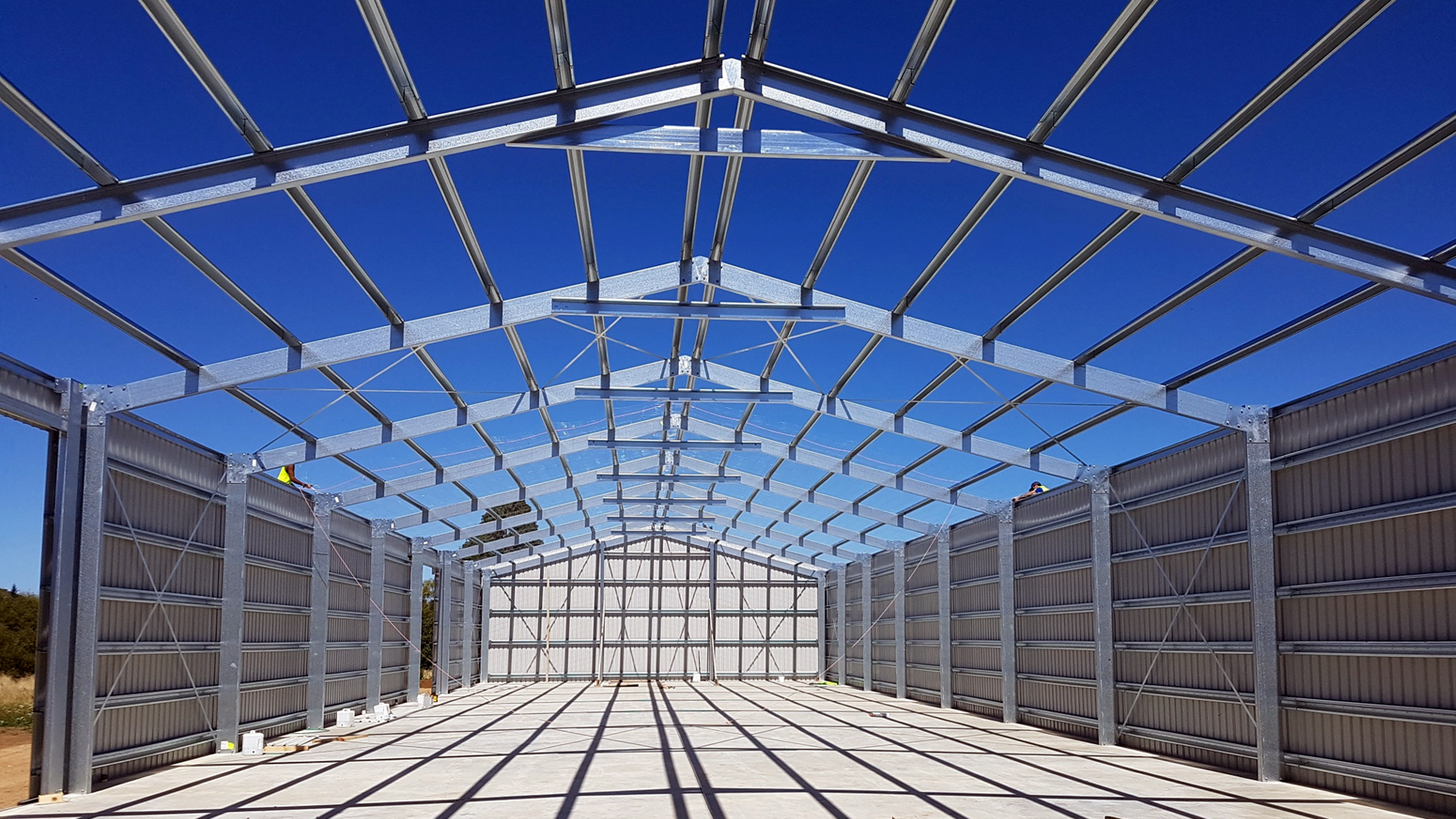
The Mechanics and Benefits of Bolt-Together Steel Frameworks
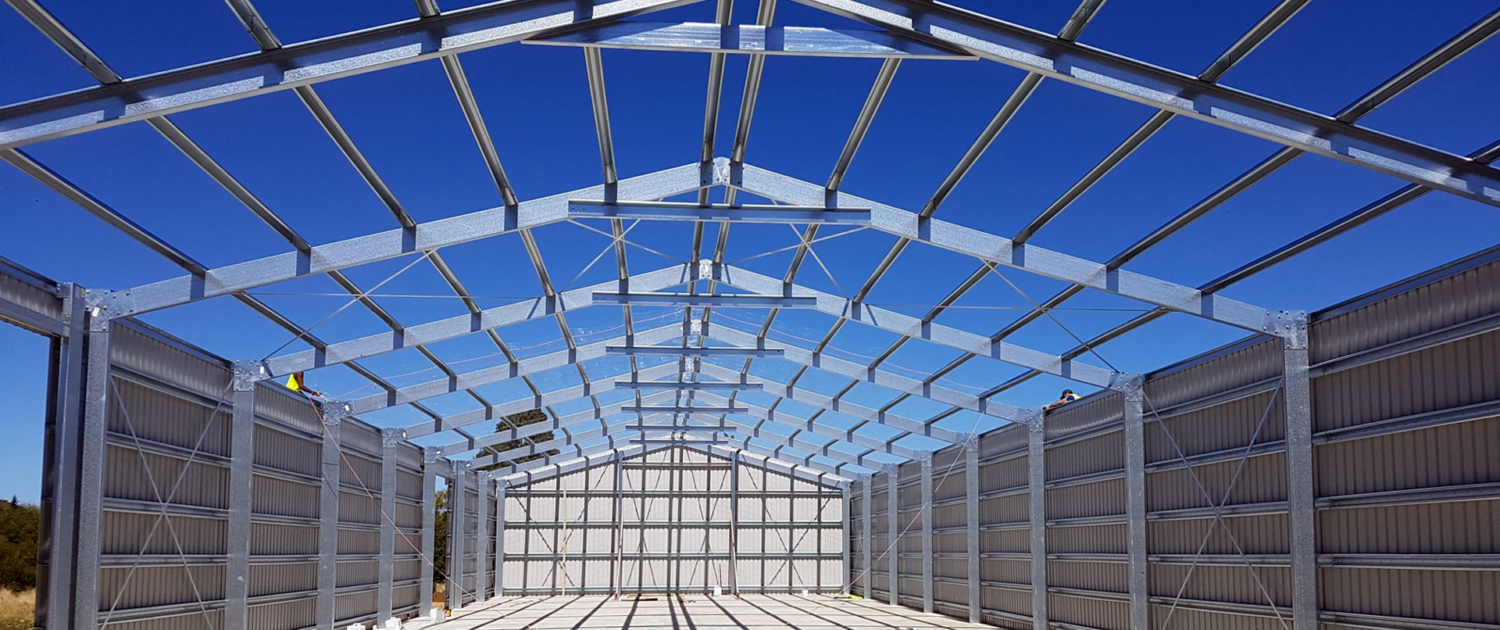
Prefabricated by the manufacturer, bolt-together systems represent a highly efficient approach to modern Building Steel Structures. These kits are engineered to be assembled entirely using heavy-duty bolts on the job site, completely eliminating the need for field welding. While some components undergo professional welding during the factory production stage, no hot work is required once the materials are shipped to your construction location. This technology is universally applicable, serving perfectly for everything from lightweight commercial garages to heavy-duty industrial complexes.
Key advantages of choosing bolted Building Steel Constructions:
- Effortless Future Expansion: If your business grows, these structures can be easily modified, extended, or disassembled without destroying the main frame.
- Extreme Weather Resilience: Engineered to easily withstand severe environmental loads, including high-velocity wind zones and heavy snow accumulations.
- Maximum Cost-Efficiency: On-site assembly costs are significantly lower compared to welded alternatives because the erection process requires less time and less specialized labor.
- Low-Maintenance Longevity: High factory precision guarantees tight fits, reducing wear and tear and keeping long-term maintenance costs to an absolute minimum.
Characteristics and Advantages of Weld-Together Steel Buildings
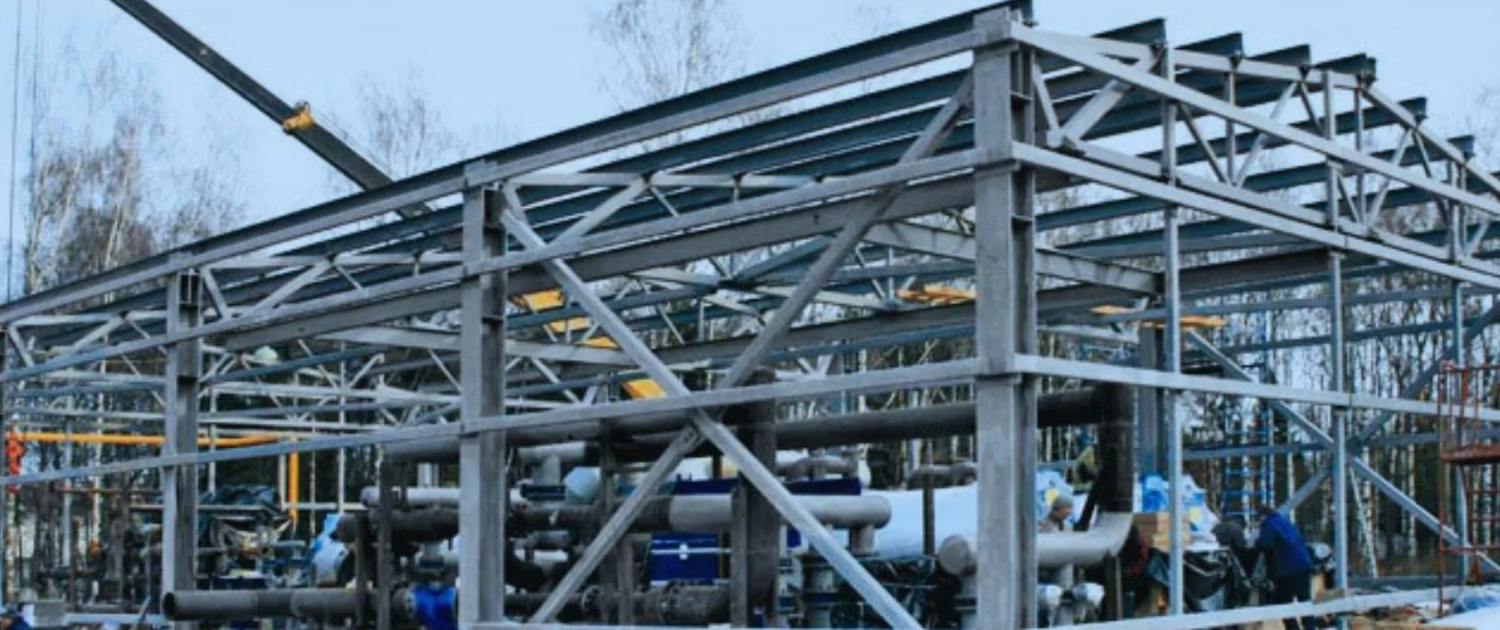
A weld-together metal facility is a traditional structural type where the steel frame members are permanently fused together on-site using professional welding equipment. Similar to prefabricated systems, these solutions are highly versatile and can be successfully adapted for various industrial, agricultural, and commercial purposes where a monolithic, non-demountable frame is preferred.
Main advantages of selecting welded Building Steel Structures:
- Monolithic Structural Integrity: Permanent welded joints create a seamless, exceptionally rigid frame that offers maximum structural stiffness and eliminates any risk of loose connections over time.
- Lower Initial Material Costs: Because the components do not require complex factory pre-punching, drilling, and specialized hardware fabrication, the initial purchasing cost of the raw steel can be lower.
- Flexible On-Site Adjustments: Since a significant portion of measuring and cutting can be adapted directly on the construction site, it allows for quick material delivery and immediate adjustments if the foundation layout deviates slightly from the blueprints.
Choosing this method for your Building Steel Constructions ensures a rock-solid, permanent installation that is ideal for heavy industrial plants and facilities with constant dynamic or crane loads.
Which is the Better Choice?
Making the Right Choice for Your Building Steel Structures
To sum up the comparison: while weld-together installations often require less capital at the initial purchase stage, prefabricated Building Steel Constructions deliver significantly lower total cost of ownership in the long run. The on-site erection time for bolted kits is remarkably shorter, even allowing some project owners to manage the assembly without hiring expensive specialized teams.
Furthermore, if your business operations scale up in the future, modifying or expanding a welded frame can become an engineering nightmare. In contrast, bolted frameworks offer unmatched flexibility for any future upgrades or expansions. If you want to explore available options, feel free to check our full range of prefabricated steel systems to find the best fit for your site.
Here at Weldmetcon, we generally recommend choosing high-precision bolted solutions due to the superior long-term financial and operational benefits they offer. Ready to calculate your project budget? You can always contact our engineering team directly to get a professional consultation and a detailed cost estimate.
Building Steel Constructions
Strength, Flexibility, and Innovation
Key Engineering Benefits of Advanced Building Steel Structures
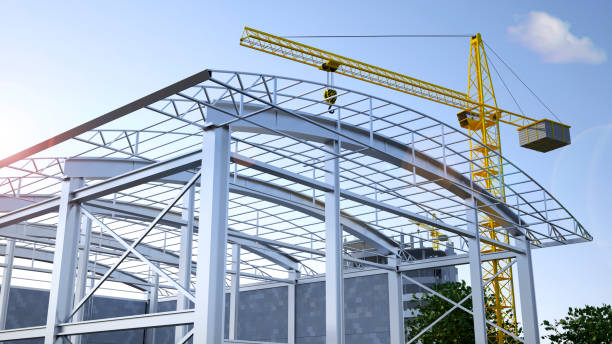
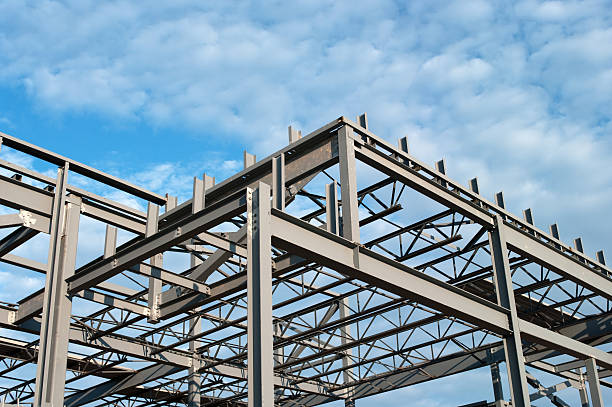
Investing in engineered metal frameworks guarantees top-tier performance for any industrial or commercial development. By utilizing premium Building Steel Constructions, project managers can achieve a perfect balance between architectural complexity, structural safety, and long-term economic efficiency.
When implementing our heavy-duty Building Steel Structures, you benefit from the following technical advantages:
- Exceptional Load Capacity and Resilience: High-grade structural steel exhibits a superior strength-to-weight ratio, allowing components to support massive operational loads and survive intense seismic activity without compromising safety.
- Maximum Resistance to Environmental Factors: Precision-fabricated steel frames offer unmatched defense against high dynamic wind forces and heavy gravitational pressures, making them the premier choice for coastal or harsh northern climates.
- Unrestricted Design Flexibility: The structural malleability of steel enables architects and structural engineers to easily execute vast clear-span spaces, complex cantilevered profiles, and customized geometrical shapes that traditional materials simply cannot support.


Global Application Areas of Structural Steel Fabrication
From complex infrastructure objects to iconic architectural landmarks, modern developers utilize advanced metal frames to achieve unparalleled structural efficiency. The versatility of high-grade steel makes it the premier choice across multiple building sectors:
High-Rise Commercial & Residential Towers
Steel is the foundational element behind the world’s most famous skyscrapers, including the iconic Shard in London or skyscrapers on Wall Street in New York. Incorporating heavy-duty Building Steel Structures provides the necessary seismic flexibility and load distribution required for vertical architecture that safely pushes traditional height boundaries.
Bridges and Strategic Infrastructure
Engineering long-span bridges, like the famous Golden Gate Bridge in San Francisco, requires materials that combine low dead weight with extreme tensile strength. Specialized Building Steel Constructions allow engineers to span massive distances across rivers and highways while ensuring absolute structural integrity and resistance to heavy traffic loads.
Industrial Facilities and Public Spaces
Modern airports, manufacturing plants, logistics warehouses, and sports stadiums heavily rely on customized metal frameworks. These solutions provide wide open-span interiors free of restrictive columns, drastically reduce overall construction timelines, and guarantee a long operational lifespan for busy commercial hubs.
Conclusion: Driving the Future of Construction
In the modern engineering landscape, premium Building Steel Structures play a definitive role in creating sustainable, cost-effective, and safe environments. By successfully combining high load-bearing capacity, architectural versatility, and rapid on-site assembly, metal frameworks have proven to be far superior to traditional concrete methods.
For developers, architects, and industrial companies aiming to balance strict safety regulations with total creative freedom, choosing certified Building Steel Constructions is the ultimate solution to turn ambitious blueprints into durable engineering realities.